Sing along,
then read along.
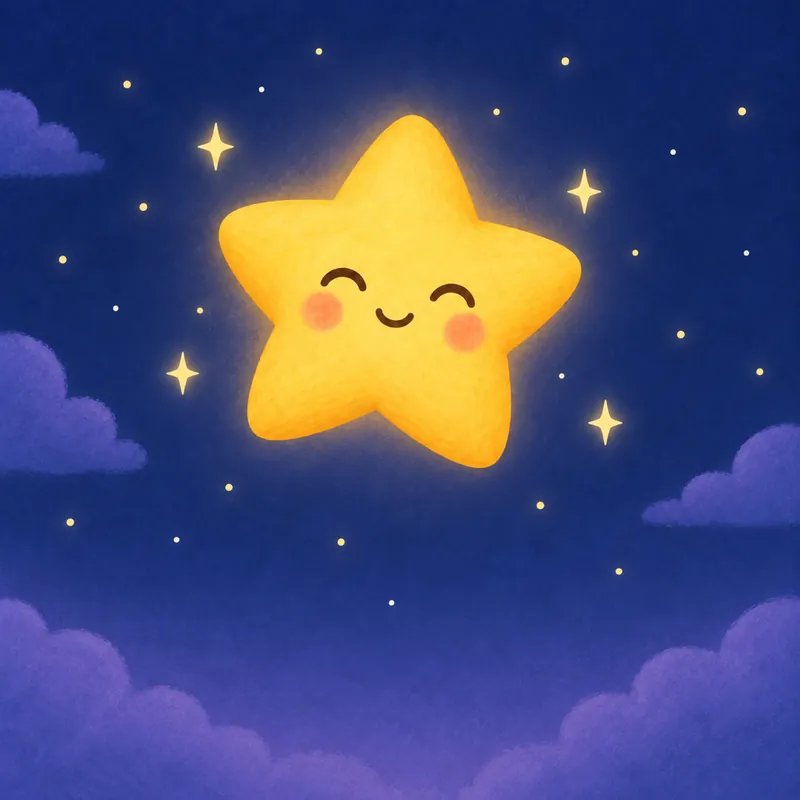
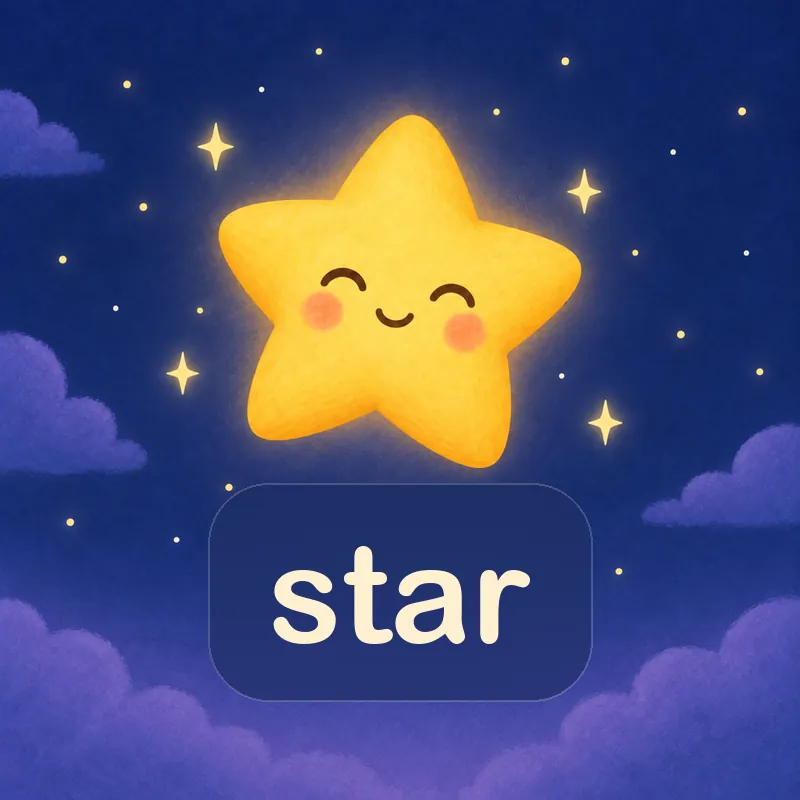
Nursery songs that turn into picture books. As each line is sung, a card shows what it's about: pictures first, then one big word, then the whole line. For children 2 to 6.
On the App Store this November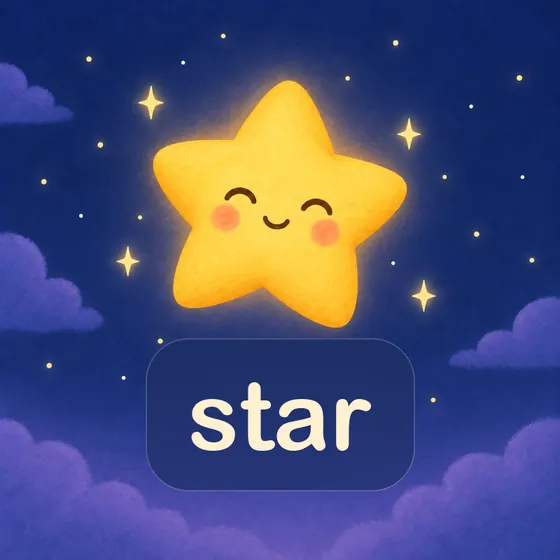
- Ages 2 to 6Three stages, one for each
- No adsNo tracking, no accounts
- OfflineDownloaded songs need no signal
- CarPlayPictures on the car's screen
- iPhone, iPadOne purchase, Family Sharing
Every line gets a picture
Choose the stage that fits your child, and move up as they grow.
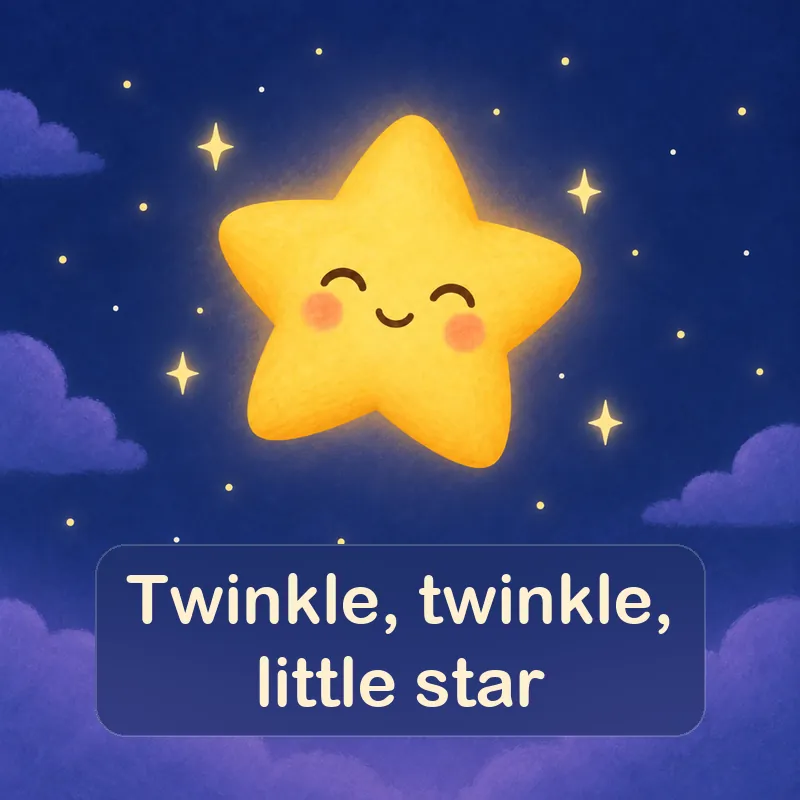
Songs they already know
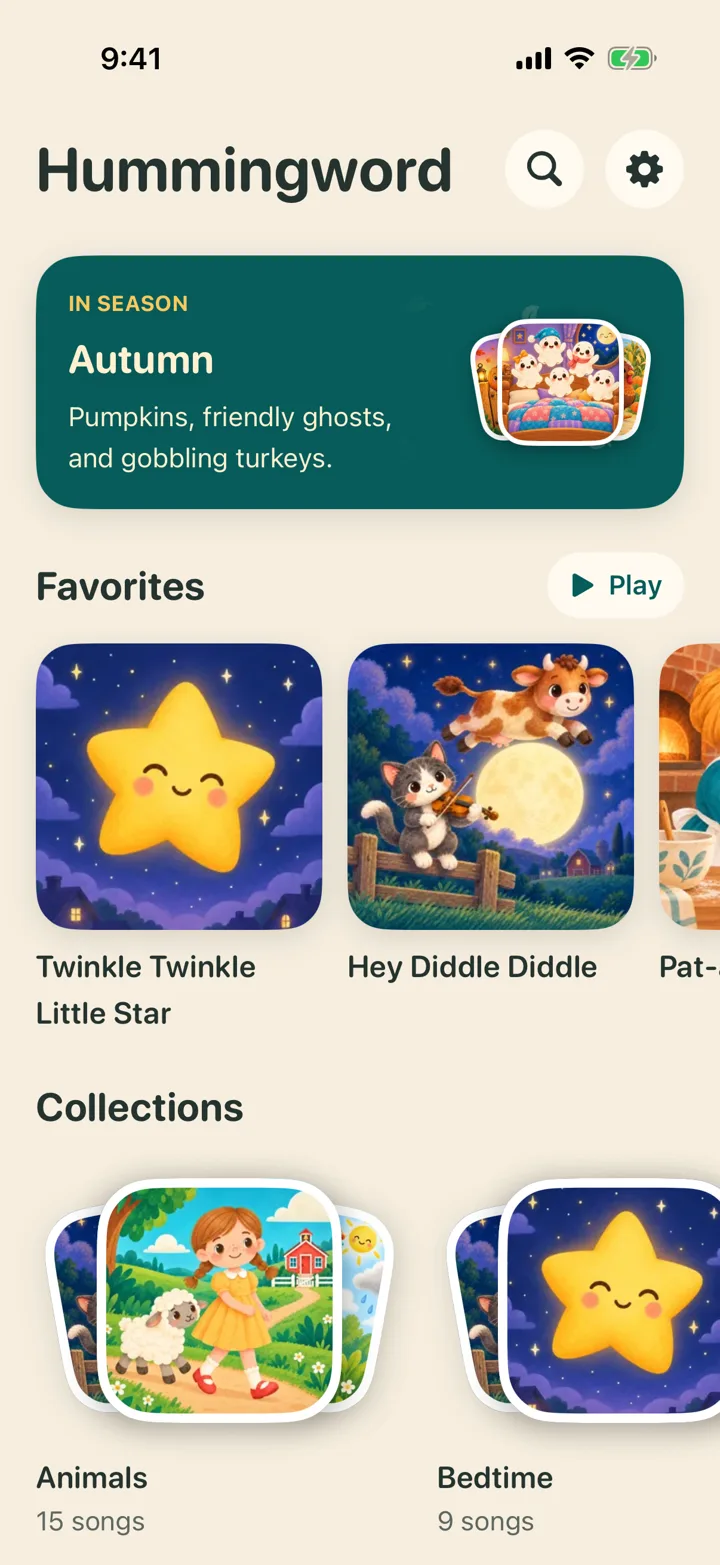
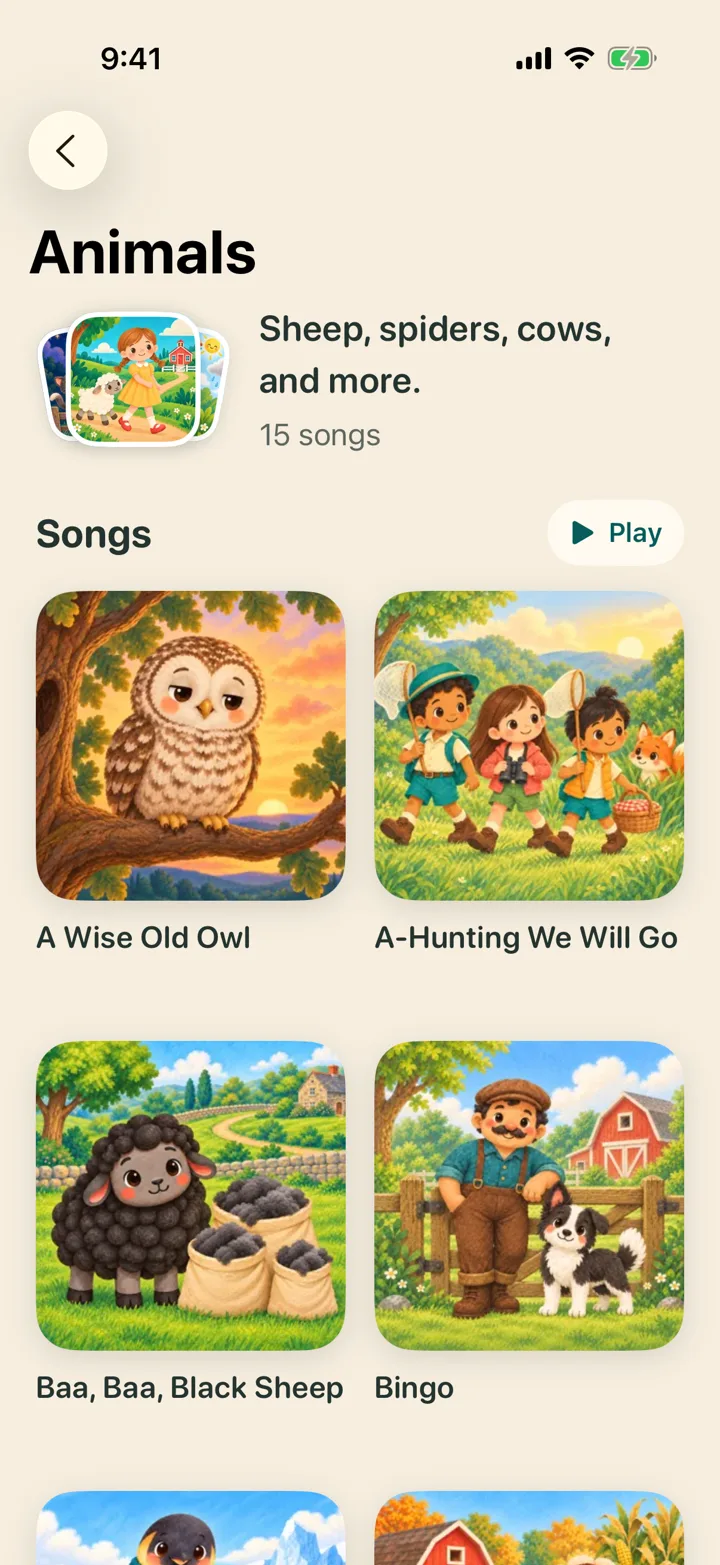
Nearly fifty songs, sung the way you remember them, in collections like Animals, Bedtime, and Road Trip, with holiday shelves in season. More are added through the year.
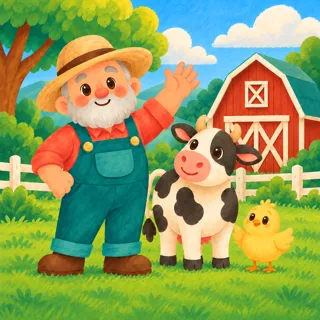 Old MacDonald Had a Farm
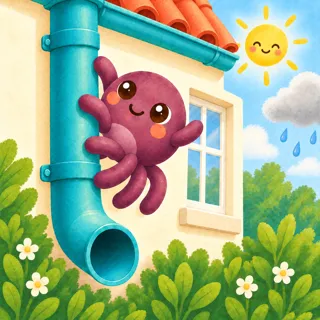 Itsy Bitsy Spider
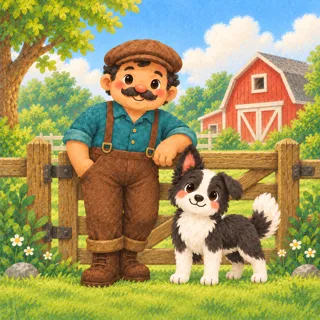 Bingo
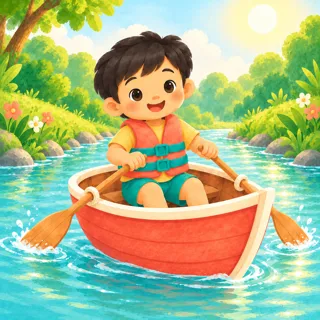 Row, Row, Row Your Boat
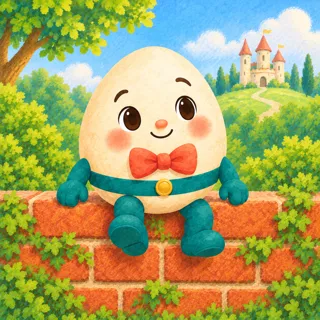 Humpty Dumpty
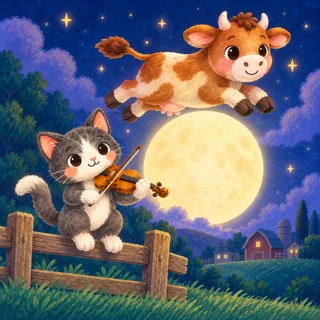 Hey Diddle Diddle
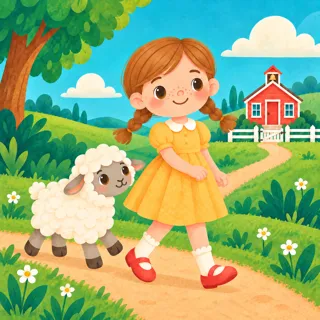 Mary Had a Little Lamb
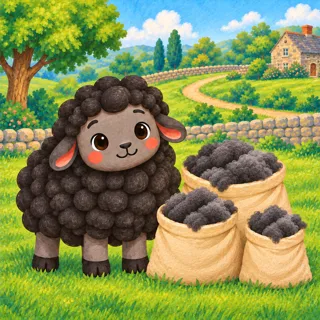 Baa, Baa, Black Sheep
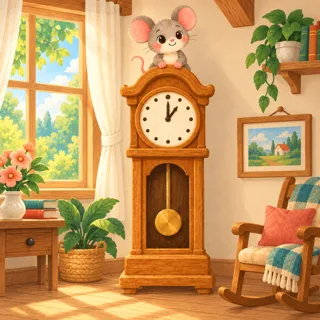 Hickory Dickory Dock
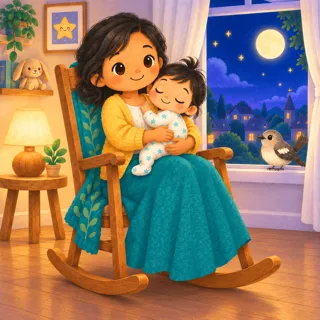 Hush, Little Baby
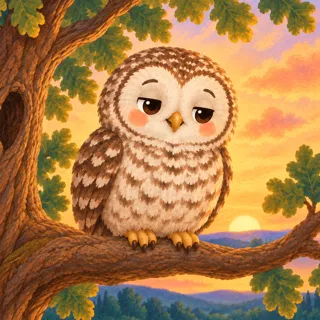 A Wise Old Owl
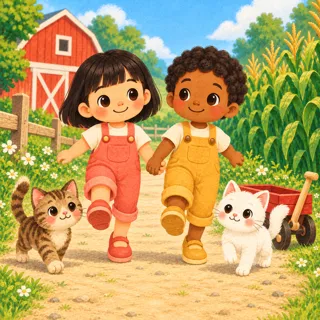 Skip to My Lou
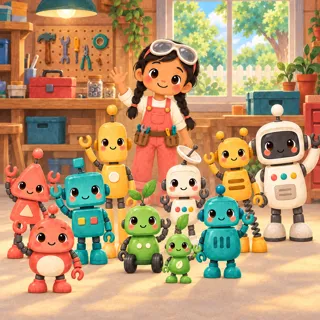 Ten Little Robots
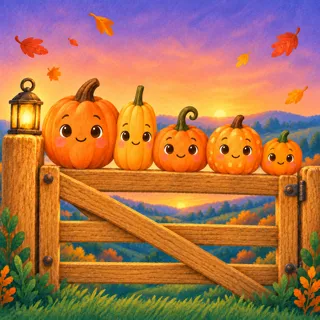 Five Little Pumpkins
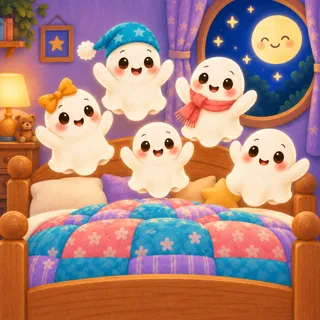 Five Little Ghosts
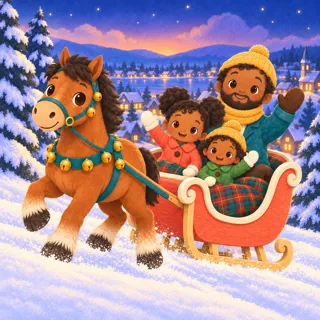 Jingle Bells
Made for little hands
Big pictures, big buttons, and nothing to get lost in.
Why a song is a good place to learn to read
Long before children read, they hear. Rhymes and songs teach them that words come apart into sounds, that "star" and "are" share an ending, that a line has a beat. Researchers call this phonological awareness, and it's one of the best early predictors of reading. Nursery songs have been teaching it for centuries.
Reading adds one thing: seeing the word at the moment you hear it. A child who hears "moon", sees the moon, and sees moon written, all at once, gets three hooks for one idea. Hummingword's Sprout stage shows that one word as it's sung, at a pace a child can follow, and nothing else.
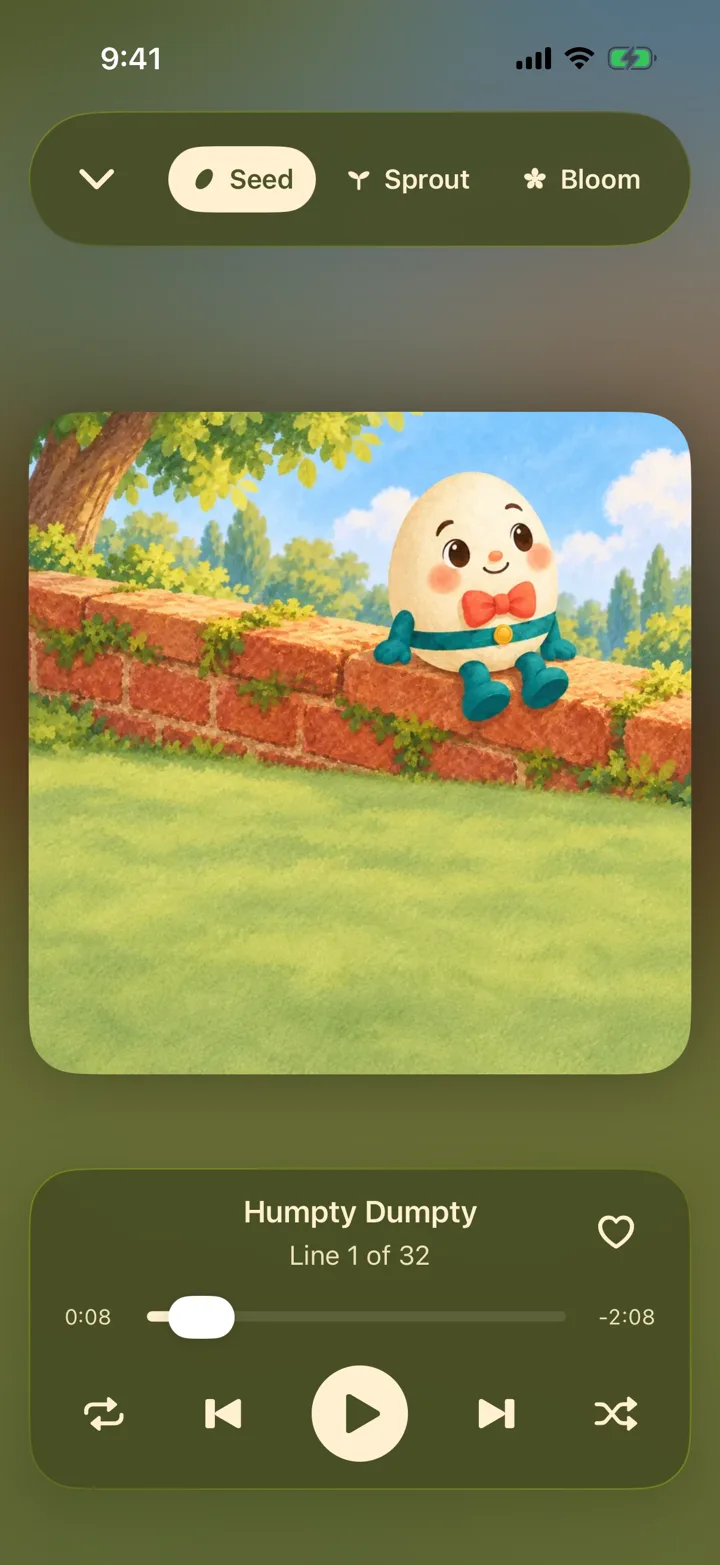
Children don't go from pictures to sentences in a day, so the stages are a ramp. Seed is the song and the picture. Sprout adds one word. Bloom shows the whole line, for a child who's ready to follow along. The song never changes, only how much print it carries, and you choose when to move up.
And songs get asked for again and again. That repetition, which wears a grown-up down, is exactly what learning a word takes.
Five songs free, the rest with Plus
Everything the app does, with no time limit. Plus unlocks the rest of the library.
Free
Five songs, for good
- The full experience: Seed, Sprout, and Bloom, favorites, offline, the car
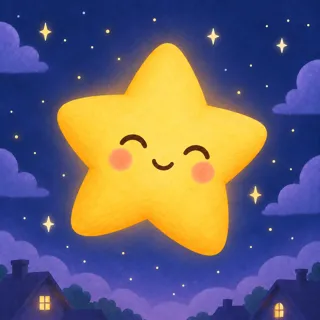
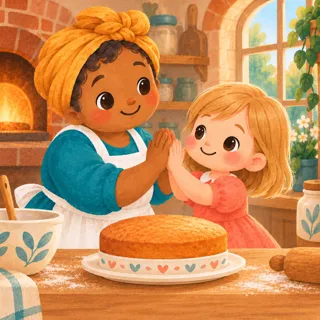
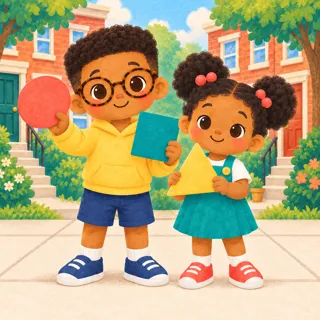
- Twinkle Twinkle Little Star, Humpty Dumpty, Hey Diddle Diddle, Pat-a-Cake, and The Shapes Song
- A preview of every other song
Hummingword Plus
$3.99 a month, $29.99 a year, or $59.99 once
- Every song, and new ones as they're added
- Holiday shelves in season
- Shared with the whole family through Family Sharing
- The yearly plan starts with a free week
Questions
What ages is it for?
About 2 to 6. Seed is for the youngest, who just want the song and the picture. Sprout suits children learning that spoken words are written ones. Bloom is for early readers who can follow a line.
Does it work in the car?
Yes. Songs keep playing with the phone locked, and once downloaded they don't need a signal. In cars with CarPlay, the pictures show on the car's screen as each line is sung, and the steering-wheel buttons skip songs.
Is it safe to hand to a toddler?
There are no ads, no links out, and nothing to buy without a grown-up. Settings and purchases sit behind a grown-up check. Lock the player, and taps on the screen do nothing but show the picture.
What about my data?
Hummingword doesn't collect any. No accounts, no analytics, no tracking. Favorites and settings stay on your phone. The privacy policy is short.
Does it work on iPad?
Yes, on iPhone and iPad, and one purchase covers both through your Apple Account and Family Sharing.